Get in Touch
Contact Us
National team

Find Your Local Sales Agronomist
  • DLF Seeds Leight Creek

Pasture

Heading dates

Ryegrass heading dates defined

Heading date is when a paddock visually has 50% of the plants seed heads emerged. Heading dates are defined relative to the cultivar Nui, heading at day 0.

For key heading date information, download here. 

Ryegrass heading date influences pasture production in two ways:

  1. Timing of spring-flush: Very early through to mid season heading ryegrasses often produce more dry matter earlier
  2. Timing of late spring/early summer loss of quality: Later heading cultivars hold quality, providing leafy high quality feed later in spring

Aftermath heading

Aftermath heading refers to the number of seed heads produced after the main heading event. If there are a lot of seed heads produced after the main heading event (high aftermath heading) then this means pasture quality is reduced. If there are minimal seed heads produced (low aftermath heading) then pasture quality is maintained for longer.

Key recommendations: Heading dates

  • Sow a range of ryegrass cultivars with different heading dates to spread timing of heading and reduce loss of summer quality
  • Sow ryegrasses with different heading dates in separate paddocks
  • Sow no more than 50% of the farm in late or very late cultivars to reduce early spring feed pinches

Do you need strong ryegrass growth rates early in spring or is late spring feed quality more important?

Early/mid season heading ryegrasses can provide more dry matter earlier in spring, late season heading ryegrasses yield higher quality feed in late spring. Your farms’ ryegrass portfolio should include a range of early/mid and late heading ryegrasses to deliver a balance of early season growth plus late spring feed quality.

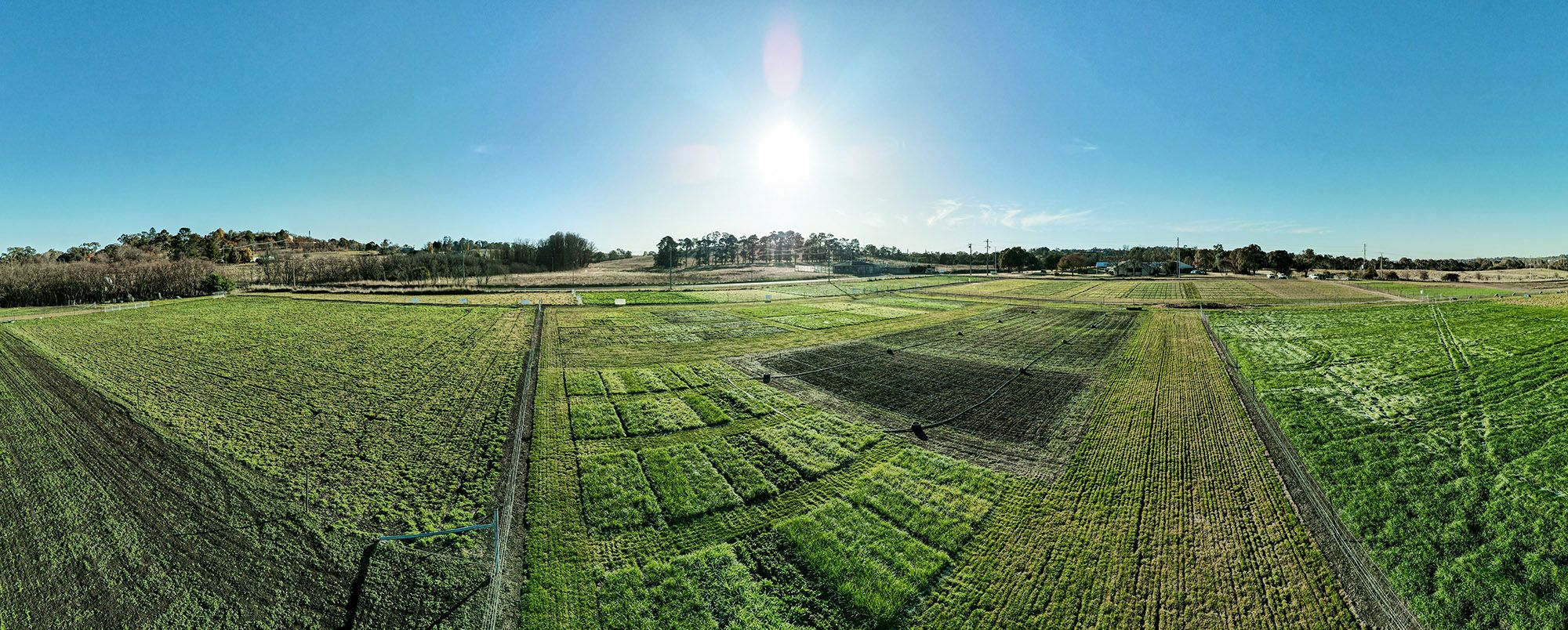
  • Earlier heading: Earlier flush of spring growth, early maturing, generally poorer late season quality, with improved spring quality where aftermath heading is low.
  • Later heading: Later flush of spring growth, late maturing, better late season quality, and responds well to summer rainfall.